Business Name: BeeHive Homes of Hamilton
Address: 842 New York Ave, Hamilton, MT 59840
Phone: (406) 545-5737
BeeHive Homes of Hamilton
At BeeHive Homes of Hamilton, we’re more than an assisted living residence — we’re a true home. Nestled in the heart of the Bitterroot Valley, our intimate, homelike setting is designed to offer peace of mind to residents and their families alike. With just a handful of residents per home, we ensure that every individual receives the personal attention, dignity, and respect they deserve. Locally owned and operated, our leadership team brings over 20 years of experience in caring for older adults. We are deeply rooted in the community and proud to foster an environment where friends and family are always welcome — just like home.
842 New York Ave, Hamilton, MT 59840
Business Hours
Monday thru Sunday: 8:00am to 5:00pm
Instagram: https://www.instagram.com/beehivehomeshamilton/
Tiktok: https://www.tiktok.com/@beehivehomesofhamilton
Facebook: https://www.facebook.com/BeeHiveHomesofHamilton
Families do not purchase care settings the method they purchase home appliances. The decision shows up in the middle of reality, generally after a scare, a lost bill, a second fall, a stove left on. The goal is not to discover the shiniest neighborhood, it is to match your loved one's needs, personality, and risks with the best level of assistance. That match looks different depending on whether you pick assisted living or a memory care home.
I have strolled this road with numerous households. The best results came when we stopped briefly, named the specific issues we needed to resolve, and after that let those problems dictate the setting. Labels matter less than the information behind them. Below is a useful, experience-tested guide to assist you see those information clearly.
What these 2 models are actually built to do
Assisted living is developed for older grownups who can live somewhat individually however need assist with everyday activities. Think of bathing, dressing, medication suggestions, getting to meals, light housekeeping, and transport. The building is typically open and social, with a dining-room, calendar of activities, and private apartment or condos. Personnel exist around the clock, though not at a medical facility level. The care plan is tailored, but the environment presumes citizens can find their method, choose, and manage fundamental regimens with cueing or limited hands-on help.
Memory care is a customized environment for people dealing with Alzheimer's disease or other forms of dementia who require a higher level of structure, supervision, and behavior assistance. It is usually a protected system or a stand-alone memory care home. The design makes navigation simpler, and security is crafted into the area. Personnel get extra dementia care training. The day follows a dependable rhythm with targeted activities to lower confusion and distress. The program is not simply more hands. It is a various technique to interaction, engagement, and danger management.
Families typically ask about labels. Some assisted living neighborhoods say they "assist homeowners with moderate amnesia." That can be real for early cognitive changes. However when disorientation, roaming, repetitive exit looking for, or escalating stress and anxiety show up, the advantages of a dedicated memory care setting ended up being clear.
How daily life in fact feels inside each setting
In assisted living, early mornings typically start with a staff member knocking, offering assist with bathing and dressing if it is on the care strategy. Breakfast happens in a pleasant dining-room. Some citizens walk there on their own, others get a pointer call or escort. The activity board may list yoga at 9, a shopping trip at 10, and music after lunch. If your dad likes his independence and can shuffle to the elevator with his walker, the structure works with him. He can lock his door, rest without check-ins, and skip bingo with no consequence.
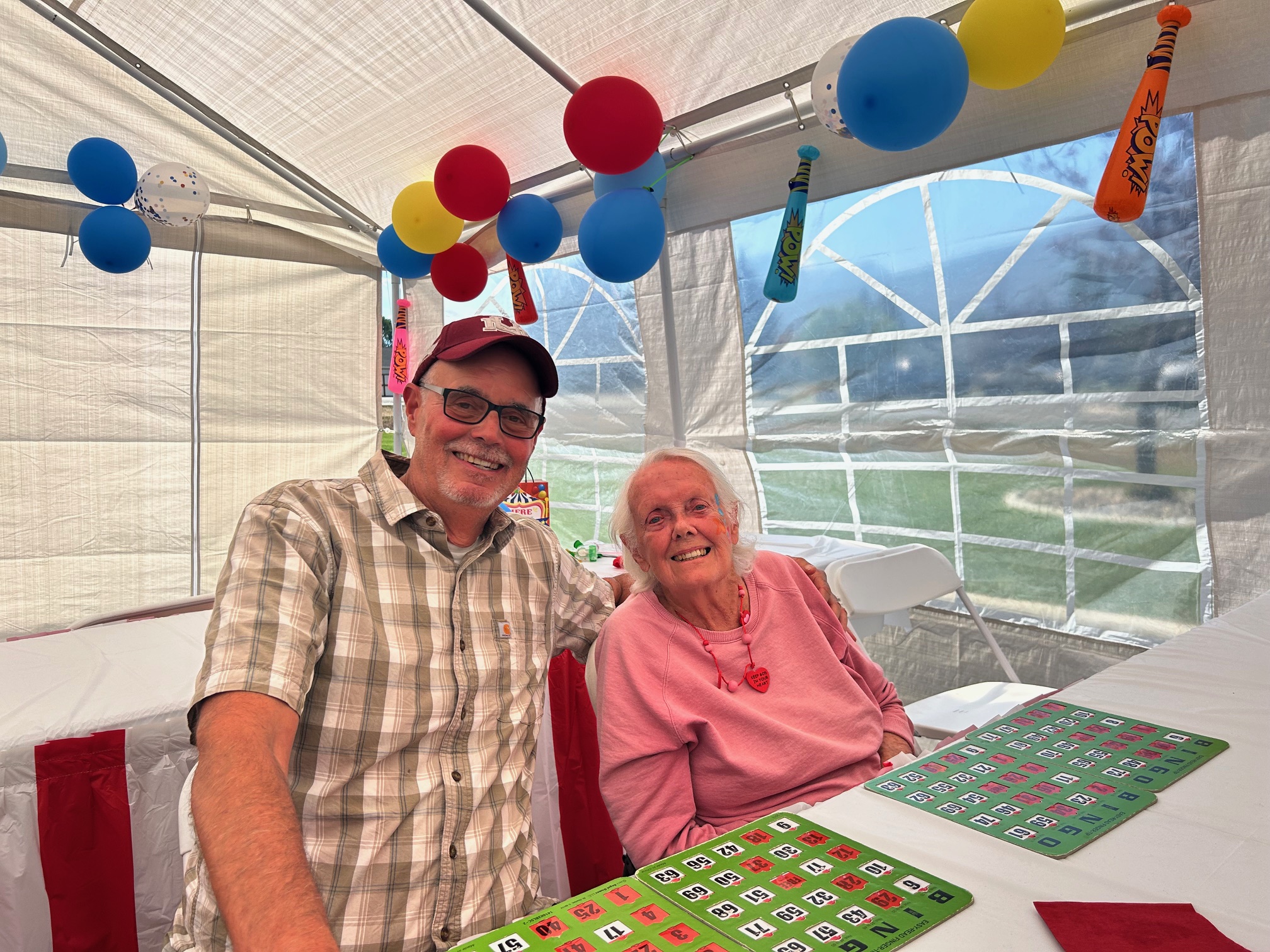
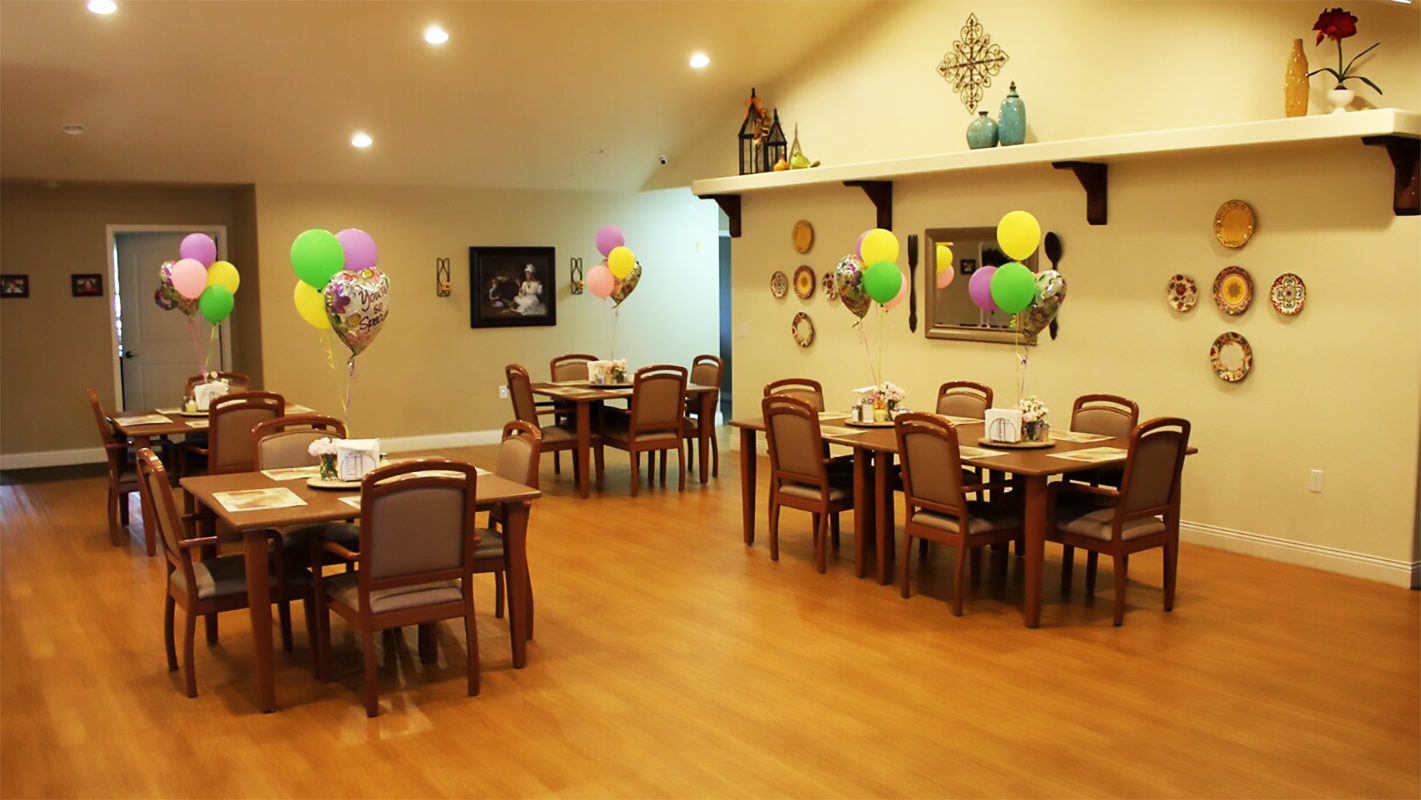
In memory care, the day brings more structure. Staff anticipate that citizens will not remember schedules or instructions, so regimens are developed into the circulation. Intense, contrasting colors aid with depth understanding. Menus are streamlined, and meals might be served household design at smaller tables to hint consuming. Hallways frequently loop to minimize dead ends. Doors to the outside are protected or alarmed to avoid unsafe exits. Activities emphasize sensory engagement, short tasks, and movement at foreseeable times. A staff member might sit with your mom to prompt each bite at breakfast, then walk with her around the courtyard to funnel restlessness into safe assisted living activity. The tone aims to decrease anxiety by replacing choices with constant, reassuring patterns.
Staffing, training, and supervision
The essential distinction is not the marble lobby, it is who appears when your loved one needs help.
- Assisted living staffing ratios differ widely by state and business. Throughout the day, a typical range is one direct care staff member for 12 to 18 citizens. At night it might be one for 18 to 25, with a nurse on call or on site part-time. Personnel receive basic eldercare training, and some receive standard dementia education. This design works best when citizens can push a call pendant, wait a couple of minutes, and follow instructions when assist arrives. Memory care generally runs tighter ratios, for example one staff member for 5 to 8 citizens during the day, and one for 10 to 12 during the night, along with a nurse presence that is more constant. Team members are trained in dementia communication, redirection, and how to translate behaviors as unmet needs. In an excellent memory care home, you will see staff distributing rather than waiting for call lights, due to the fact that the goal is to prevent issues before they escalate.
Ratios are just part of the story. Enjoy how teams connect. In a strong memory care program, you will hear personnel state things like, "Mr. Alvarez taps his fingers when he gets distressed, so we provide him a warm washcloth and begin music before supper." That level of customization separates true dementia care from generic help.
Safety features and the distinction they make
Safety tools are not about locking individuals away. They have to do with creating an environment where an individual with memory loss can prosper without consistent correction.
In assisted living, doors are not usually secured. Elevators are open, and kitchens might be available. Stoves in apartment or condos are often allowed or disabled based upon the resident's plan. If somebody has moderate forgetfulness but no exit seeking, this flexibility is appropriate. The threat comes when confusion increases, because an open school expects residents to self-regulate.
Memory care, by style, limits risky options and replaces them with safe flexibility. You may see a protected perimeter courtyard so citizens can go outside without a chaperone. Exit doors frequently have actually postponed egress hardware and alarms so staff can step in before somebody leaves. Appliances are controlled. Restroom fixtures are selected to decrease misperception, and warm water is regulated. Lighting utilizes warmer tones to lower sundowning. These functions cost cash, but they purchase a kind of security that human supervision alone can not deliver.
The pivot point: when assisted living is enough, and when memory care is wiser
Families frequently attempt assisted living initially, specifically if the individual appears "mostly alright" in familiar surroundings. In some cases that works beautifully for a year or 2. The line to memory care normally appears in one of four methods:
- Wandering or exit seeking. If your loved one leaves the house and can not discover the method back, or efforts to leave the structure repeatedly, assisted living is stretched beyond its style. Staff can not safely keep an eye on hallways without compromising everybody else's privacy. Behavioral changes that distress others or place your loved one at threat. This can indicate striking out during care, heightened fear, or calling the cops in the night because "complete strangers remain in the house." Generalist teams often lack the training and staffing to handle this consistently and compassionately. Lost ability to sequence multi-step tasks even with cueing. If bathing, toileting, or consuming break down, the need for hands-on, frequent triggering often surpasses the scope of assisted living. Nighttime wakefulness and turnaround of sleep cycles. A person who is up from 1 to 5 a.m. Pacing is unlikely to be safe in an open structure. Memory care programs expect and manage these patterns.
One caution: a person with early memory loss who lives with a cognitively healthy partner may grow in assisted living longer since the partner covers the executive function gaps. The concern to ask is not whether the setting looks beautiful, but who is doing the work of keeping your loved one safe and engaged. If it is the partner, plan ahead in case their health modifications suddenly.
Costs, contracts, and what is included
Prices differ by area, building quality, and service design. As a general frame:
- Assisted living in the United States typically varies from 4,000 to 7,000 dollars per month, with base rates covering real estate, energies, meals, and fundamental activities. Care is typically billed in tiers. Tier 1 may consist of medication suggestions and light help, while higher tiers include bathing, dressing, and regular checks. A resident with moderate requirements might pay an additional 800 to 1,500 dollars monthly above the base. Memory care usually costs more since of staffing and facilities. Anticipate an additional 1,000 to 2,500 dollars over a similar assisted living rate in the very same building. Some memory care homes use complete rates, others still tier the care. Ask how typically they re-evaluate and how they communicate increases.
Insurance and benefits matter. Long term care insurance coverage might pay an everyday benefit if the resident needs aid with a specified variety of activities of daily living or has actually a documented cognitive problems. Some states offer Medicaid waivers that assist with assisted living or memory care, but availability and waitlists vary. Veterans and surviving partners might get approved for Aid and Attendance, which can balance out numerous hundred to over a thousand dollars each month. Facilities vary in whether they accept these programs, and some accept Medicaid only after a private pay duration. Put the financial map on paper before you fall in love with a building.
Read the contract. Try to find the discharge clause. Facilities must keep homeowners safe, and they can need a move if needs exceed what they are certified or staffed to supply. A clear provision is not a threat, it suggests honesty. Vague language makes crisis moves more likely.
What evaluations reveal, and why they matter
Good neighborhoods do not count on a single snapshot. They combine cognitive testing, practical evaluation, medical history, and direct observation.
Cognitive screening tools like the MoCA or MMSE can use a general sense of disability. Ratings assist, but behaviors matter more. I have actually supported individuals with mid-range scores who handled well in assisted living because they were calm, followed hints, and had a consistent routine. I have actually also seen high scorers with impulsivity and poor judgment who required memory look after safety.
Functional assessment covers activities of daily living: bathing, dressing, toileting, moving, consuming, and continence. Critical activities, like managing financial resources or cooking, usually fall away previously. The secret is frequency and predictability. If your loved one can shower individually three days a week but declines or forgets four days, the environment must close those gaps consistently.
Medical intricacy can press the choice. Insulin-dependent diabetes with changing cognition, reoccurring UTIs that tip into delirium, or high fall danger on blood slimmers increases the requirement for closer monitoring. Medication management in memory care typically includes more frequent checks and innovative strategies to ensure adherence without forcing.
A fast side by side snapshot
- Assisted living assumes the resident can navigate the building with hints and periodic aid, memory care assumes the resident requirements continuous structure and supervision. Assisted living staffing supports independence with aid on demand, memory care staffs to proactively engage and redirect. Assisted living buildings are open and social with fewer environmental controls, memory care units use protected perimeters, streamlined layouts, and sensory-friendly design. Assisted living activities mirror common senior programming, memory care activities are much shorter, repeated, and sensory oriented. Assisted living expenses less on average, memory care carries a premium for specialized staffing and safety features.
How to select, step by step
- List the leading 5 dangers or problems you are trying to solve, composed in plain language. Examples: Mom leaves the home at night and gets lost. Dad forgets to eat unless prompted. Bills are unpaid. Tour both an assisted living and a memory care home, preferably in the exact same business, and visit two times at various times. View the evening shift. Smell the air. Listen for how personnel discuss residents. Ask each neighborhood to write a draft care plan with staffing presumptions and a cost that reflects your loved one's present needs. Then ask what triggers would change the strategy and the cost. Call 2 references, ideally families who moved in the in 2015. Ask what surprised them, great and bad, and how the neighborhood managed a difficult day. Rehearse a 90 day strategy. If you attempt assisted living initially, what signs would trigger a switch to memory care, who will make the call, and how quick can the transition happen.
The misconception of "prematurely" and the truth of timing
Families worry about moving to memory care before it is necessary. The worry is easy to understand. The word "protected" can seem like a loss of liberty. Yet the most typical remorse I hear is the opposite. People want they had moved earlier, when their loved one could still adapt and form bonds with staff. A well run memory care program can reduce anxiety, support sleep, and increase engagement. The payoffs compound when the environment fits the individual's brain.
It is likewise real that some individuals remain comfortably in assisted living until the last months of life. What makes that possible is a low profile of risky behaviors, a tolerance for cueing, and a team that understands the resident well. If you are on the fence, think about a respite remain in memory care for 2 to 4 weeks. Brief trials reveal a lot. You will see if your dad perks up with structure or chafes at it.
The human element: characters, choices, and dignity
A medical diagnosis does not eliminate identity. The very best care setting honors who your loved one still is. A previous carpenter might react to jobs with tools and sanding blocks, whether in assisted living or memory care. A retired instructor will illuminate when asked to assist "lead" a small group, even if the content is easy. I have actually seen a lady who disliked group activities prosper after a memory care team developed a morning folding station near a sunny window simply for her. It appeared like busy work to an outsider. To her it seemed like purpose, and her agitation fell away.
If your mom is personal and trendy, ask how bathing is conducted and whether the exact same couple of assistants can be designated consistently. If your dad is a night owl, ask what happens after 9 p.m. Look for imaginative responses, not stock phrases. Self-respect lives in the details.
Edge cases you ought to prepare for
Couples with combined needs face difficult choices. Some neighborhoods let a couple share an apartment in assisted living while the spouse with dementia receives add-on services. This can work if the healthier partner wants the function and the care group can bend. Other couples reside in the very same building however different systems, one in memory care, one in assisted living, with daily visits. That arrangement preserves safety while protecting the well partner's rest. It is not perfect, however neither is caretaker burnout.
Younger beginning dementia brings different energy. Standard activities can feel childish. Because case, search for memory care homes that customize shows for individuals in their 50s or early 60s, with active movement, music, and tasks rather than purely sedentary options.
Language and culture matter. A memory care system with bilingual personnel or cultural food options can reduce behaviors set off by misunderstanding. Do not be shy about asking how many staff speak your loved one's language and whether care notes show cultural preferences.
Pets are a stabilizing force for some locals. Policies differ. Some assisted living settings permit pets in houses, while memory care regularly utilizes community animals that visit daily. If the bond is crucial, ask directly what is possible.
What great dementia care looks like on a normal Tuesday
You understand you remain in the right memory care home when daily scenes tell a meaningful story. A resident who typically withstands showers agrees since her preferred sweatshirt is already laid out and warm towels are prepared. A man who paces is welcomed to "assist examine the doors" every hour, turning uneasyness into a job. The dining room stays calm because staff provide a one step timely, wait, and then smile, rather than layering commands. There is laughter, however not sound for its own sake. The calendar matters less than the tone.
In assisted living, the ideal fit looks like staff who understand when to back away, who appreciate self-reliance without making people feel alone. Mr. Chen prefers to take his medications at 7 a.m., not 8, and the nurse builds that into the pass. Ms. Rivera likes lunch in her house three days a week, and that is honored without comment. Front desk personnel greet citizens by name, member of the family feel welcome, and maintenance knocks before entering.
Transition preparation that decreases stress
Moves are difficult. They go better when households manage 3 arcs simultaneously: the logistics, the story, and the first two weeks.
For logistics, begin early with paperwork. Make a one page medical summary, list of medications with doses and times, names of previous infections and activates for delirium, and a copy of any advance directives. Load familiar products first, specifically a bedspread, pictures at eye level, and 2 pieces of furniture your loved one recognizes from home. Label clothes clearly.
For the story, keep explanations basic and constant. "This is a safe place while the house is being worked on" is frequently more reliable than an argument about amnesia. Let staff bring the story forward so your loved one is not challenged with a new factor each shift.
For the first two weeks, be present but not all day. Long visits can anchor a person to you and hinder bonding with staff. Rather, visit at foreseeable times that match your loved one's finest hours, bring a modest comfort like a favorite treat, and then leave while the state of mind is still favorable. Offer the group insight, not orders. "She consumes more if the straw is on the left" is gold.
Red flags throughout a tour, and thumbs-ups you want to see
Red flags consist of a strong odor of urine that lingers for hours, staff who can not name 3 locals without inspecting a chart, and activity calendars that look busy but show empty spaces at game time. See a meal. If half the plates return untouched and nobody notifications, food is decoration, not nourishment. Ask how the group manages a resident who declines care. If the answer is "We just inform them they need to," keep looking.
Green lights include consistent eye contact from caretakers, prompt help that is calm rather than rushed, and little acts of personalization. I like to ask a resident straight, "What do you like about living here?" Many people will tell you something real. If several response rapidly and without looking to personnel, the culture is most likely healthy.
Assisted living with memory care add-ons vs devoted memory care homes
Some assisted living neighborhoods offer "enhanced care" programs within the exact same structure but not in a secured unit. These work for citizens with mild to moderate dementia who need more hands-on aid however do not roam or exhibit high threat habits. The benefit is social combination and versatility. The threat is diffusion of attention if staffing is not increased to match needs.
Dedicated memory care homes concentrate know-how. Smaller sized, purpose developed environments typically feel calmer and more foreseeable. For locals with substantial cognitive loss, that specialization is worth the extra cost. The trick is to avoid presuming that an indication that states "memory care" guarantees quality. You still require to evaluate the program with your eyes and your questions.
If you are still unsure
When households stay split, I advise 3 actions. Initially, talk to your loved one's primary clinician about threats you may be reducing, specifically around roaming and nighttime safety. Second, try a respite placement in the memory care unit you like best and arrange a daytime visit to the assisted living program throughout that stay. Third, make a note of what a great day looks like for your loved one and which setting is most likely to produce more of those days. Aim for excellent days, not perfect ones.
Choosing in between assisted living and memory care is not about surrendering self-reliance. It has to do with crafting the most regular life possible within the restrictions of health problem. The best setting lowers avoidable crises, illuminate what still offers satisfaction, and supports individuals who like your member of the family as much as the person themselves. When you find that, you will feel it in the quiet of a normal afternoon, when your loved one is safe, engaged, and at ease. That is the bullseye.
BeeHive Homes of Hamilton provides assisted living care
BeeHive Homes of Hamilton provides memory care services
BeeHive Homes of Hamilton provides respite care services
BeeHive Homes of Hamilton supports assistance with bathing and grooming
BeeHive Homes of Hamilton offers private bedrooms with private bathrooms
BeeHive Homes of Hamilton provides medication monitoring and documentation
BeeHive Homes of Hamilton serves dietitian-approved meals
BeeHive Homes of Hamilton provides housekeeping services
BeeHive Homes of Hamilton provides laundry services
BeeHive Homes of Hamilton offers community dining and social engagement activities
BeeHive Homes of Hamilton features life enrichment activities
BeeHive Homes of Hamilton supports personal care assistance during meals and daily routines
BeeHive Homes of Hamilton promotes frequent physical and mental exercise opportunities
BeeHive Homes of Hamilton provides a home-like residential environment
BeeHive Homes of Hamilton creates customized care plans as residents’ needs change
BeeHive Homes of Hamilton assesses individual resident care needs
BeeHive Homes of Hamilton accepts private pay and long-term care insurance
BeeHive Homes of Hamilton assists qualified veterans with Aid and Attendance benefits
BeeHive Homes of Hamilton encourages meaningful resident-to-staff relationships
BeeHive Homes of Hamilton delivers compassionate, attentive senior care focused on dignity and comfort
BeeHive Homes of Hamilton has a phone number of (406) 545-5737
BeeHive Homes of Hamilton has an address of 842 New York Ave, Hamilton, MT 59840
BeeHive Homes of Hamilton has a website https://beehivehomes.com/locations/hamilton/
BeeHive Homes of Hamilton has Google Maps listing https://maps.app.goo.gl/fpCde3DZGLsVCkV88
BeeHive Homes of Hamilton has Instagram page https://www.instagram.com/beehivehomeshamilton/
BeeHive Homes of Hamilton has an Tiktok page https://www.tiktok.com/@beehivehomesofhamilton
BeeHive Homes of Hamilton won Top Assisted Living Homes 2025
BeeHive Homes of Hamilton earned Best Customer Service Award 2024
BeeHive Homes of Hamilton placed 1st for Senior Living Communities 2025
People Also Ask about BeeHive Homes of Hamilton
What is BeeHive Homes of Hamilton Living monthly room rate?
Our rates are based on each resident’s unique care needs. We conduct an initial assessment to determine the appropriate level of care, and the monthly rate is set accordingly. You’ll never encounter hidden fees — just transparent, straightforward pricing
Can residents stay in BeeHive Homes until the end of their life?
In most cases, yes. We are honored to support our residents through every stage of aging. However, if a resident requires 24-hour skilled nursing or faces a significant safety risk, we may assist with transitioning to a more appropriate level of medical care
Do we have a nurse on staff?
While we do not have an on-site nurse, each home has access to a dedicated consulting nurse who is available 24/7. If nursing services become necessary, a physician can order licensed home health care to visit and provide support within the home
What are BeeHive Homes’ visiting hours?
We welcome family and friends! Visiting hours are flexible and can be tailored to each resident’s preferences — just avoid early mornings or very late evenings to ensure everyone’s comfort and rest
Do we have couple’s rooms available?
Yes! We offer rooms specially designed for couples who wish to stay together. Availability can vary, so please ask our team about current options
Where is BeeHive Homes of Hamilton located?
BeeHive Homes of Hamilton is conveniently located at 842 New York Ave, Hamilton, MT 59840. You can easily find directions on Google Maps or call at (406) 545-5737 Monday through Sunday 8:00am to 5:00pm
How can I contact BeeHive Homes of Hamilton?
You can contact BeeHive Homes of Hamilton by phone at: (406) 545-5737, visit their website at https://beehivehomes.com/locations/hamilton/ or connect on social media via Instagram Facebook or Tiktok
Claudia Driscoll Park offers open green space and walking paths where residents in assisted living, memory care, senior care, elderly care, and respite care can enjoy gentle outdoor relaxation.